Loading...

How to Read the Crypto Market Without Getting Overwhelmed
Crypto never closes. There’s no bell that rings at the end of the day, no weekend pause, no built-in reason to stop checking. That’s part of what makes it exciting, and it’s also exactly why so many people burn out trying to keep up with it. This isn’t about whether you care about crypto. It’s about how to stay genuinely informed without that interest quietly turning into something closer to compulsion. This guide covers how to follow crypto news in a way that keeps you informed without keeping you glued to a screen.
A review published in the Journal of Behavioral Addictions, covered by Forbes, recommended setting firm limits on price-checking frequency as a protective habit, not a luxury. That’s a strong signal worth taking seriously before assuming that following the market closely is simply what a serious investor does.
Why Crypto News Feels So Overwhelming
A few structural reasons this isn’t just in your head: the market runs 24 hours a day, seven days a week, with no natural pause point. Compare this to traditional stock markets, which close every evening and stay shut on weekends, giving investors a built-in, structural break whether they want one or not. Crypto offers no such pause, which means the discipline has to be self-imposed rather than provided by the system itself. Social media feeds are built to reward extreme, urgent-feeling content, which means the loudest crypto takes are rarely the most accurate ones. And every price movement, up or down, gets narrated in real time by people with a financial or attention-based incentive to make it sound more significant than it usually is.
You Don’t Need to Watch the Market Constantly
This runs against the instinct that more attention equals better decisions, but the evidence points the other way. One study tracking actual investor behavior found people checking prices an average of 14.5 times a day, spending over two hours daily on crypto-related activity. That’s not casual awareness, it’s closer to a second job, and the research consistently links that level of engagement to worse outcomes, not better ones. Common Crypto Trading Mistakes Beginners Make covers several patterns, FOMO, revenge trading, that are made measurably worse by constant exposure to short-term price noise.
How to Follow Crypto News: What’s Actually Worth Tracking
A handful of things genuinely shape prices over time and deserve real attention: What Moves Crypto Prices? A Beginner’s Guide breaks these down individually. On-chain activity is a more reliable signal than social sentiment for understanding what’s actually happening beneath the price, covered in How to Use On-Chain Data to Understand Market Sentiment. And understanding where the broader market sits in its cycle matters more than any single day’s headline, the subject of Bull Market vs Bear Market: How to Recognize Crypto Cycles.
A Simple Framework for What Actually Matters
Not all crypto information deserves the same attention. Genuinely significant developments, regulatory decisions, major security incidents, real shifts in a project’s fundamentals, are relatively rare and usually don’t require real-time monitoring to catch; they surface clearly within a day or so regardless. Most of what fills a crypto news feed hour to hour is noise: short-term price commentary, speculation, and reaction content with little lasting relevance.
| Check This | How Often |
|---|---|
| Your actual holdings and portfolio balance | Weekly, or monthly for long-term holders |
| Major regulatory or security news | As it happens, it surfaces quickly regardless |
| General market commentary and price predictions | Rarely, if at all |
| Specific project development updates | Monthly, or when directly relevant to a holding |
How to Build a Sustainable Information Diet
A few practical habits that actually hold up: remove price-tracking widgets and push notifications from your phone’s home screen, so checking requires a deliberate choice rather than a passive glance. Pick a small number of genuinely reliable sources rather than an open-ended social feed. And separate “interesting to read” from “requires a decision,” most crypto news is the former and doesn’t need to trigger any action at all. If you’re actively trading, Day Trading vs HODLing: Which Strategy Wins? is worth revisiting here too, since the strategy you’re actually running should determine your information needs, not the other way around. A long-term holder checking hourly is solving a problem that doesn’t exist for their actual approach.
A sustainable information habit is the foundation. Knowing what to actually do with what you learn is the next layer.
The Crypto/DeFi Trading Course helps you build a real process for evaluating information, so you’re not reacting to every headline.
Signs You’re Overexposed
Worth being honest with yourself about: checking prices multiple times a day, especially first thing in the morning or right before bed, is a reliable early signal, even before it shows up in your actual trading. Difficulty concentrating on other things after a price swing, or feeling your mood shift noticeably with the market, are both signs worth taking as information rather than ignoring. None of this means something is fundamentally wrong. It means the current habit isn’t serving you, and it’s worth deliberately changing.

Frequently Asked Questions
How often should I actually check crypto prices?
For most long-term holders, weekly is more than sufficient, and monthly is a reasonable maximum for a genuinely passive approach. Active traders reasonably check more often, but with a defined schedule rather than continuously.
Will I miss something important if I check less often?
Genuinely significant news tends to surface across multiple sources within a day regardless of how closely you’re watching. Constant monitoring mostly catches noise, not signal.
Does following the news more closely lead to better trading decisions?
The research doesn’t support that assumption. Frequent exposure tends to increase reactive, short-term decisions rather than improving the quality of long-term ones.
Should I turn off crypto price notifications entirely?
For most people, yes, or at minimum limit them to major, infrequent alerts. Constant notifications are one of the clearest drivers of the compulsive-checking pattern research consistently links to worse outcomes.
Is it normal to feel stressed by crypto price swings?
It’s a common, well-documented response, not a personal failing. If it’s affecting your sleep or daily functioning, that’s worth taking seriously and adjusting, whether that means checking less often or reconsidering position size.
What’s the best source for reliable crypto news?
There’s no single answer, but a small, deliberately chosen set of sources you trust will consistently serve you better than an open, algorithm-driven feed optimized for engagement rather than accuracy.
Following the market well isn’t about consuming more information. It’s about consuming less of it, more deliberately, and giving yourself permission to not have an opinion on every single price movement. The goal isn’t to care less about your investments. It’s to engage with them in a way that actually serves your decisions instead of just your anxiety. Knowing how to follow crypto news well mostly means knowing what you can safely skip.
Ready to follow the market with a clear process instead of constant noise? The Crypto/DeFi Trading Course is built around exactly that discipline.
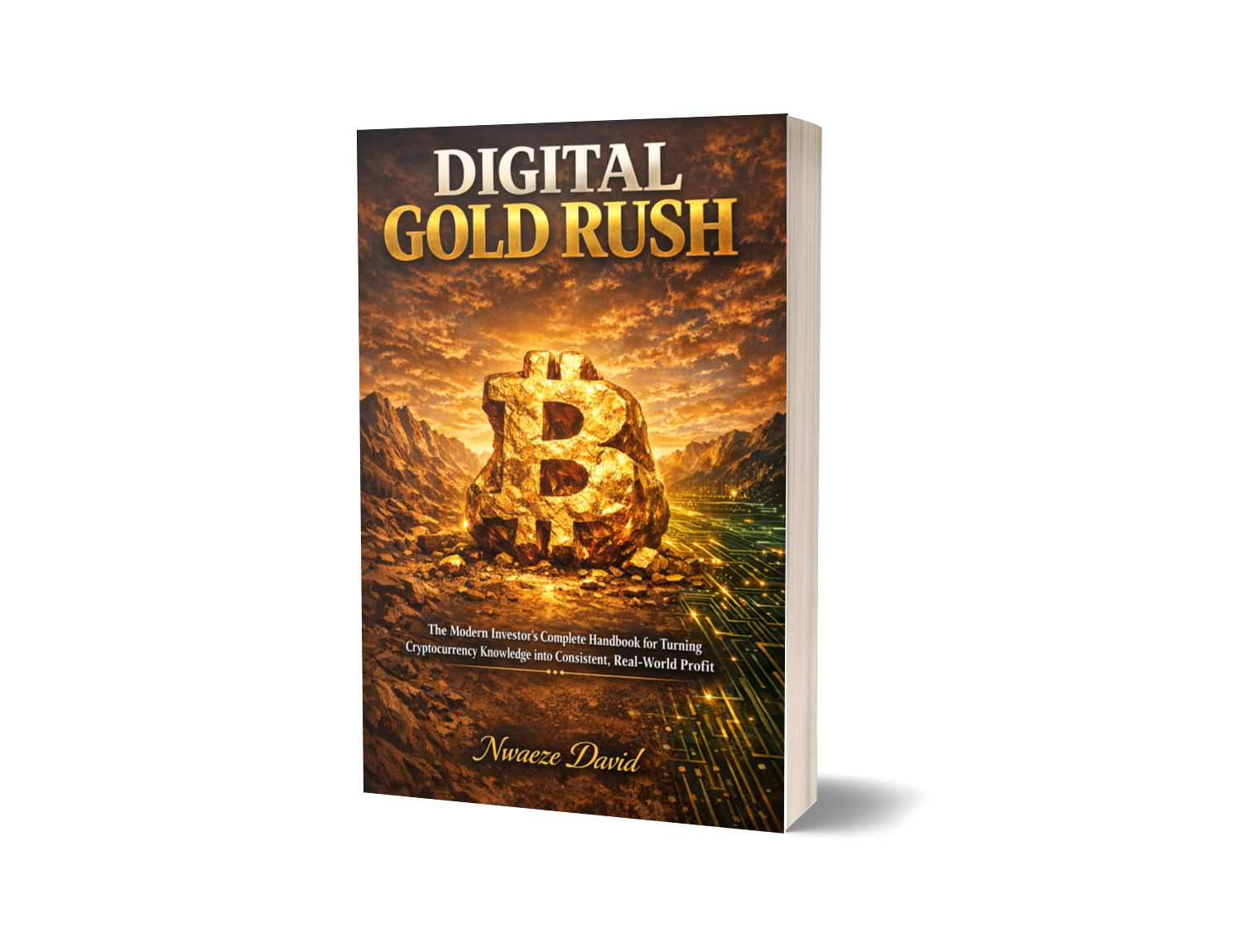
Prefer to learn from a book, at your own pace? The Crypto Book Series covers this in more depth. If you’re new to crypto, start with Book 1, then work through the series as you go.

Want market perspective without the doomscrolling? Join DavitoFinance Pro on Telegram, free, and get signal from people filtering out the noise too.