Loading...

Is Cryptocurrency Still Worth Investing In?
Search this question and you'll get two kinds of answers: people convinced crypto is the greatest wealth-building opportunity of a generation, and people convinced it's a bubble that hasn't finished popping. Both camps talk with total certainty. Neither is being fully honest with you.
The honest answer is that "is crypto a good investment" isn't really a yes-or-no question. It depends on your risk tolerance, your time horizon, how much you actually understand about what you're buying, and what role it would play alongside everything else you own.
This article won't tell you what to decide. It'll give you what you actually need to decide for yourself.
Why This Question Doesn't Have One Right Answer
Crypto in 2026 is a genuinely different asset class than it was a few years ago, and also still carries real, unresolved risk. Both of those things are true simultaneously, which is exactly why confident one-word answers, from either direction, should make you skeptical.
Someone telling you it's guaranteed to make you rich is selling something. Someone telling you it's guaranteed to go to zero is ignoring a decade of infrastructure that didn't exist before.
The Case For
Institutional infrastructure has matured. Regulated spot Bitcoin ETFs, custody solutions built for banks and pension funds, and clearer regulatory frameworks in major markets have brought a level of legitimacy and access that simply didn't exist during crypto's earlier, more chaotic years.
Assets once dismissed as a fringe experiment are now held inside retirement accounts and corporate treasuries.
Adoption keeps climbing, even through downturns. Global ownership has continued growing across market cycles rather than collapsing back to zero after each crash, which is a meaningfully different pattern than a typical speculative bubble that burns out and disappears.
It offers genuine utility in specific contexts. For people dealing with currency instability or high remittance fees, particularly relevant across parts of Africa and other emerging markets, crypto solves a real, practical problem rather than functioning purely as a speculative bet. That's a fundamentally different use case than buying a token purely hoping its price goes up.
Bitcoin's fixed supply is a genuinely unusual property. No other widely held asset has a mathematically guaranteed, unchangeable issuance schedule the way Bitcoin does, which is a real structural difference from currencies central banks can expand at will.
The market has survived multiple near-death events. Exchange collapses, major hacks, and regulatory crackdowns have each been predicted to end crypto entirely at various points. None of them have. That resilience doesn't guarantee future performance, but it's a meaningfully different track record than most speculative manias in financial history.
The Case Against
Volatility is not an exaggeration. Double-digit percentage swings in a single week are normal, not rare events. If you can't emotionally or financially handle that kind of movement, crypto will be a genuinely bad experience regardless of long-term outcomes, even if the numbers eventually work out.
Regulatory uncertainty hasn't fully resolved. Rules continue to shift by country, and a regulatory change in a major market can move prices significantly with little warning. What's permitted and protected in one jurisdiction may be restricted in another.
Most tokens generate no cash flow. Unlike a stock, which can represent a share of real company earnings, most cryptocurrencies don't produce revenue or dividends. Their value depends entirely on someone else being willing to pay more for them later, a dynamic worth understanding clearly before you buy.
Scams and failures are still common. The same features that make crypto appealing, speed, limited oversight, irreversibility, continue to make it a target for fraud. How to Avoid Crypto Scams: Red Flags to Watch For covers the patterns worth knowing before you put money in.
The psychological toll is real and often underestimated. Watching a holding swing by double digits in either direction, sometimes within hours, wears on people in ways that are hard to appreciate until you've lived through it. That stress is a genuine cost, even when it doesn't show up in a spreadsheet.
How Does Crypto Compare to Other Investments?
Context helps here. Stocks represent ownership in real companies with earnings, and have a long historical track record, though individual companies can and do fail. Bonds offer more predictable, generally lower returns in exchange for materially less volatility.
Real estate is illiquid but tangible, and has historically served as a stable long-term store of value in many markets. Gold has functioned as a hedge against currency instability for centuries, with a track record measured in millennia rather than years.
Crypto shares some characteristics with each of these without being identical to any of them. Like gold, it's often discussed as a hedge against currency debasement. Like early-stage stocks, it carries high growth potential alongside high failure risk.
Unlike all of them, it trades globally, every hour of every day, with no market close, a fact that cuts both ways: constant access, but also no built-in pause for reflection during a sharp move.
None of this makes crypto inherently better or worse than these alternatives. It makes it a genuinely different risk profile that deserves its own consideration rather than being measured against a single benchmark.
What the Market Actually Looks Like Right Now
Numbers move constantly in crypto, but here's a snapshot worth being honest about, including the parts that don't sound as exciting as a headline:
| Metric | Where It Stands |
|---|---|
| Total crypto market cap | Roughly $2.3 trillion as of late July 2026 |
| Down from all-time peak | Roughly 45% below the ~$4.3 trillion October 2025 high |
| Bitcoin dominance | Around 57% of total market value |
| Stablecoin market | Roughly $300 billion, used heavily for payments and trading |
That pullback from the 2025 peak matters. It's a reminder that crypto's total market value has historically moved in sharp cycles, not a smooth, steady climb, and anyone presenting only the growth story without the drawdowns isn't giving you the full picture.
The same pattern shows up across every previous cycle: a rapid climb, a sharp correction, then a period of consolidation before the next move in either direction. Treating any single snapshot as the market's permanent state is a mistake in both directions, during the highs and the lows alike.

Questions Worth Asking Yourself First
Instead of looking for someone else's verdict, these questions tend to be more useful:
- Could I genuinely afford to lose this money without it affecting my life in a meaningful way?
- Do I actually understand what I'd be buying, or am I relying entirely on someone else's confidence?
- What's my time horizon? Crypto has historically rewarded patience far more than it's rewarded short-term timing.
- How would I react to a 50% drop in the value of what I put in? If the honest answer is "panic and sell," that's worth knowing before you buy, not after.
- Does this fit alongside what I already own? A concentrated bet looks very different from a small allocation inside an otherwise diversified financial picture.
- Am I chasing a recent price move, or acting on independent research? Buying because a price just went up is a very different decision than buying because you've actually evaluated something.
Weighing whether crypto fits your situation is exactly the kind of decision worth making with a real framework, not a gut feeling.
The Crypto/DeFi Trading Course walks through how to actually evaluate opportunities and risk, so your decision is based on understanding, not on whichever headline you read last.
A More Useful Question Than "Should I Invest?"
For most people, the more productive question isn't yes-or-no, it's how much, and how. Framed that way, a few practical patterns tend to work better than an all-or-nothing bet:
Start with an amount, not a feeling. Decide on a figure you're genuinely comfortable with before you look at any chart, rather than letting a moving price talk you into a bigger number than you'd planned.
Spread purchases out over time. Dollar-Cost Averaging (DCA) vs Lump Sum Investing covers one of the most common approaches people use to reduce the risk of bad timing: buying in smaller amounts on a regular schedule rather than committing everything at once.
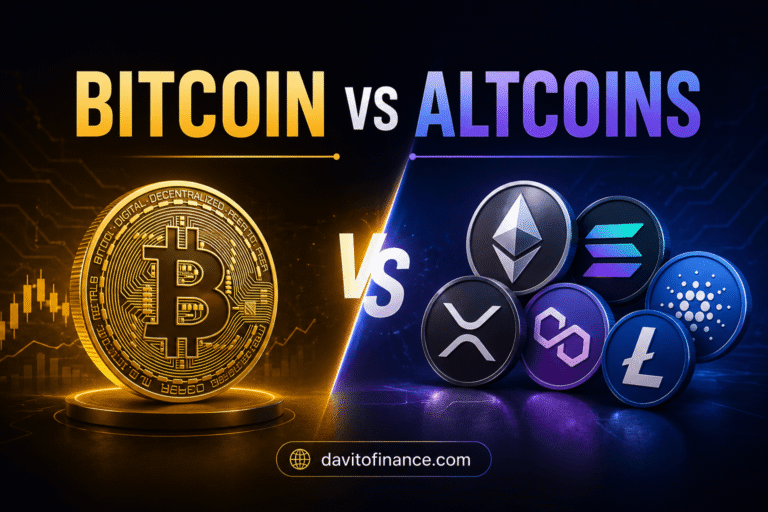
Understand what you're actually choosing between. Bitcoin vs Altcoins: What's the Difference? is worth reading before deciding whether to keep things simple with Bitcoin or take on the added research required for altcoins.
That reframing, from a single irreversible decision to an ongoing, adjustable process, tends to produce far better outcomes than a binary yes or no ever does.
FAQs | Is Cryptocurrency Still Worth Investing In?
Is it too late to invest in crypto?
There's no way to answer that with certainty for anyone. The market has moved through several full cycles of growth and correction already, and nobody can reliably predict where the next one leads.
Is crypto a good hedge against inflation?
It's often discussed that way, particularly Bitcoin, though its short trading history and high volatility make it a less proven inflation hedge than an asset like gold, which has centuries of track record. It may still serve that role for some holders, but it isn't a guarantee.
How much of my money should go into crypto?
This depends entirely on your individual finances and risk tolerance, and isn't something a general article can responsibly answer for you. Many people choose to treat it as a small portion of a broader, diversified portfolio rather than a primary holding.
Is crypto riskier than stocks?
Generally, yes, largely due to higher volatility and, for most tokens, the absence of underlying cash flow the way a profitable company generates. That doesn't make it a bad investment inherently, just a different risk profile that needs to be sized accordingly.
Should I invest a lump sum or spread it out?
Dollar-Cost Averaging (DCA) vs Lump Sum Investing covers this trade-off in detail. Spreading purchases out over time is the more common approach for beginners specifically because it reduces the impact of bad short-term timing.
Nobody can honestly tell you whether crypto is right for you, including this article. What a genuinely useful resource can do is give you the actual considerations, not a sales pitch dressed up as advice, so whatever you decide is a decision you actually understand rather than one you were talked into. That distinction matters more than which way you end up deciding.
If you've decided this is worth exploring further, the next step is doing it with an actual framework. The Crypto/DeFi Trading Course is built to take you from "should I?" to a real, working approach.
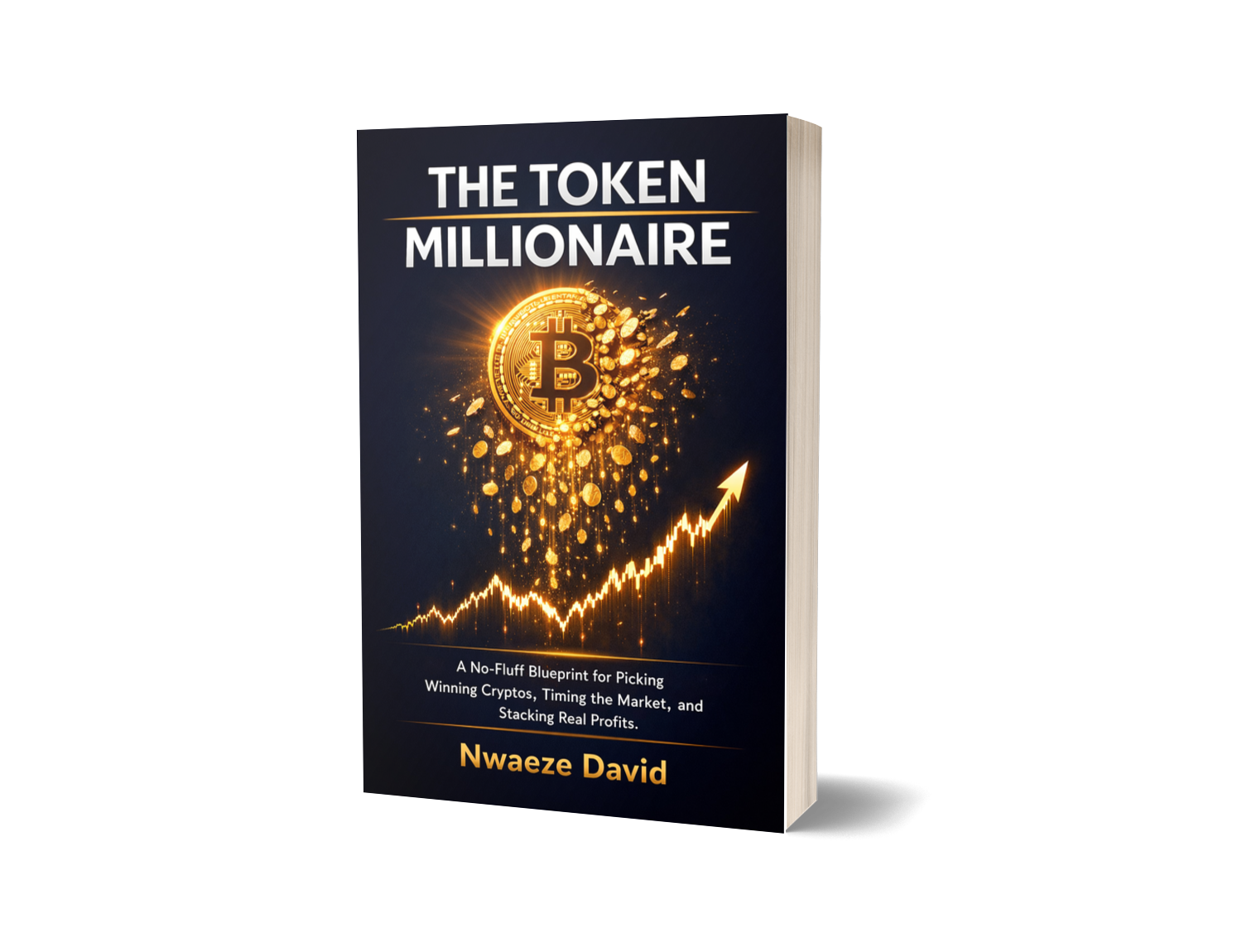
Prefer to learn from a book, at your own pace? The Crypto Book Series covers this in more depth. If you're new to crypto, start with Book 1, then work through the series as you go.
Still weighing it over? Talk it through with people actually in the market. Join DavitoFinance Pro on Telegram, free, and surrounded by people building wealth together in real time.