Loading...
How to Choose a Crypto Exchange: Fees, Security, Features
Best Crypto Exchanges for Beginners in 2026 covered specific platforms. This is the underlying framework, the actual questions worth asking about any exchange, including ones not on that list and ones that don’t exist yet. New exchanges launch constantly, and any list of names will eventually go stale. The framework underneath it won’t. This is how to choose a crypto exchange with confidence, whichever one you end up using.
Security: What to Actually Check
Beyond a platform’s stated intentions, a few things are actually verifiable: regulatory licensing in your jurisdiction, a real security track record rather than marketing claims, and whether the exchange publishes proof of reserves. That last one deserves real scrutiny rather than blind trust: proof of reserves shows an exchange holds the assets it claims to, using cryptographic tools like Merkle trees, but it typically doesn’t verify the exchange’s liabilities, what it owes elsewhere. An exchange can hold enough assets to cover deposits while still carrying enormous hidden debt, which is close to exactly what happened at FTX before its collapse. Proof of reserves is a meaningfully better signal than nothing, it’s just not a complete guarantee of solvency on its own. A track record isn’t just about avoiding a hack, it’s also about how a platform responded when something did go wrong. An exchange that communicated transparently, compensated affected users, and published a clear post-incident review deserves more trust than one that stayed silent or downplayed a comparable event.
Fees: The Ones That Actually Matter
Trading fees get the most attention, but they’re often not where the real cost sits. Withdrawal fees, currency conversion spreads, and the difference between “maker” and “taker” rates can add up to more than the advertised trading fee alone. A platform advertising “zero trading fees” while embedding a wide spread into its buy and sell prices can end up costing more than a competitor with a visible 0.5% fee and a tight spread. The only way to know for sure is comparing the actual price you’d pay for the same purchase across platforms, not the marketing headline. Crypto Exchange Fees Explained: What You’re Really Paying breaks down exactly where these hidden costs tend to hide.
Features That Matter Beyond the Basics
Coin selection matters if you plan to explore beyond Bitcoin and Ethereum. Mobile app quality matters if you’ll manage your account primarily from a phone. Staking support, customer service responsiveness, and how easily you can move funds to your own wallet all shape the day-to-day experience far more than any single headline feature. Customer support responsiveness is easy to overlook until you actually need it, during a failed withdrawal or a locked account, for instance. Checking independent reviews specifically about support experience, not just the platform’s general reputation, is worth the extra few minutes.
| Category | What to Check |
|---|---|
| Security | Licensing, track record, proof of reserves |
| Fees | Trading, withdrawal, and conversion costs together |
| Features | Coin selection, app quality, staking, withdrawal ease |
| Access | Payment methods and support in your specific country |
Payment Methods and Regional Availability
An exchange that’s excellent on paper is only useful if it actually works well where you live. Confirm supported payment methods, deposit and withdrawal limits, and currency conversion costs specific to your country before assuming a globally well-reviewed platform will serve you smoothly. This matters more for users outside the largest markets, where fewer platforms offer direct local currency support, and the workaround, converting through an intermediate currency or platform, often adds cost and complexity that isn’t obvious until you’re already partway through the process.
Red Flags to Walk Away From
A few signals worth taking seriously: no clear regulatory information anywhere on the site, guaranteed or fixed returns on deposits, withdrawal processes that are unusually difficult or slow with no clear explanation, and an absence of any verifiable proof of reserves or third-party audit at all. Aggressive referral bonuses that seem disproportionate to a platform’s actual size and reputation are worth noticing too; legitimate exchanges compete on real product quality, not primarily on how much they can pay you to sign up. Any one of these alone is worth pausing on; more than one together is a reason to look elsewhere entirely.
Choosing well is the starting point. Using an exchange strategically is the ongoing skill.
The Crypto/DeFi Trading Course covers exchange evaluation as part of a complete, practical framework, not an isolated checklist.
How to Choose a Crypto Exchange: A Simple Framework
Start with security and regulatory standing, since that’s what protects you if something goes seriously wrong. Then compare real, all-in fee costs for how you’ll actually use the platform, not just the headline trading fee. Then check features and regional support for your specific situation. In that order, not reversed, since a beautiful app on an unregulated, opaque platform isn’t worth the convenience. This order matters because each layer is harder to reverse than the one before it. A slightly worse app is an inconvenience. Losing funds to an insolvent, unregulated platform is not.

Frequently Asked Questions
Is proof of reserves enough to guarantee an exchange is safe?
No. It’s a meaningful transparency signal but doesn’t verify liabilities, what the exchange owes elsewhere. Treat it as one input among several, not a full safety guarantee.
Should I prioritize the lowest fees above everything else?
Not necessarily. A slightly higher fee on a more secure, better-regulated platform is often a reasonable trade, especially for larger amounts or as a beginner still learning the basics.
What’s the difference between a maker fee and a taker fee?
A maker fee applies when you add liquidity to the order book with an order that doesn’t execute immediately; a taker fee applies when you take existing liquidity with an order that executes right away. Maker fees are usually lower.
Should I trust an exchange more because it’s been around longer?
Longevity is a reasonable positive signal, but it isn’t proof of current solvency or security on its own. FTX operated for years before its collapse; track record matters alongside current transparency, not instead of it.
How do I check if an exchange is actually regulated?
Look for specific, named regulatory licenses (not vague claims of “compliance”), and verify them directly through the relevant regulator’s public register where possible, rather than taking the exchange’s own claim at face value.
Does a nice-looking app mean an exchange is trustworthy?
Not on its own. Interface quality reflects design investment, not security or solvency, and some of the most polished platforms in crypto’s history have also been among the least trustworthy.
Choosing an exchange well isn’t about finding a single perfect answer. It’s about checking the right things in the right order, so whatever you choose, you’re choosing it with a clear picture of what you’re actually trusting it with. Once you know how to choose a crypto exchange, marketing claims matter less than the checks you run yourself.
Ready to evaluate platforms with real confidence? The Crypto/DeFi Trading Course walks through exactly that.
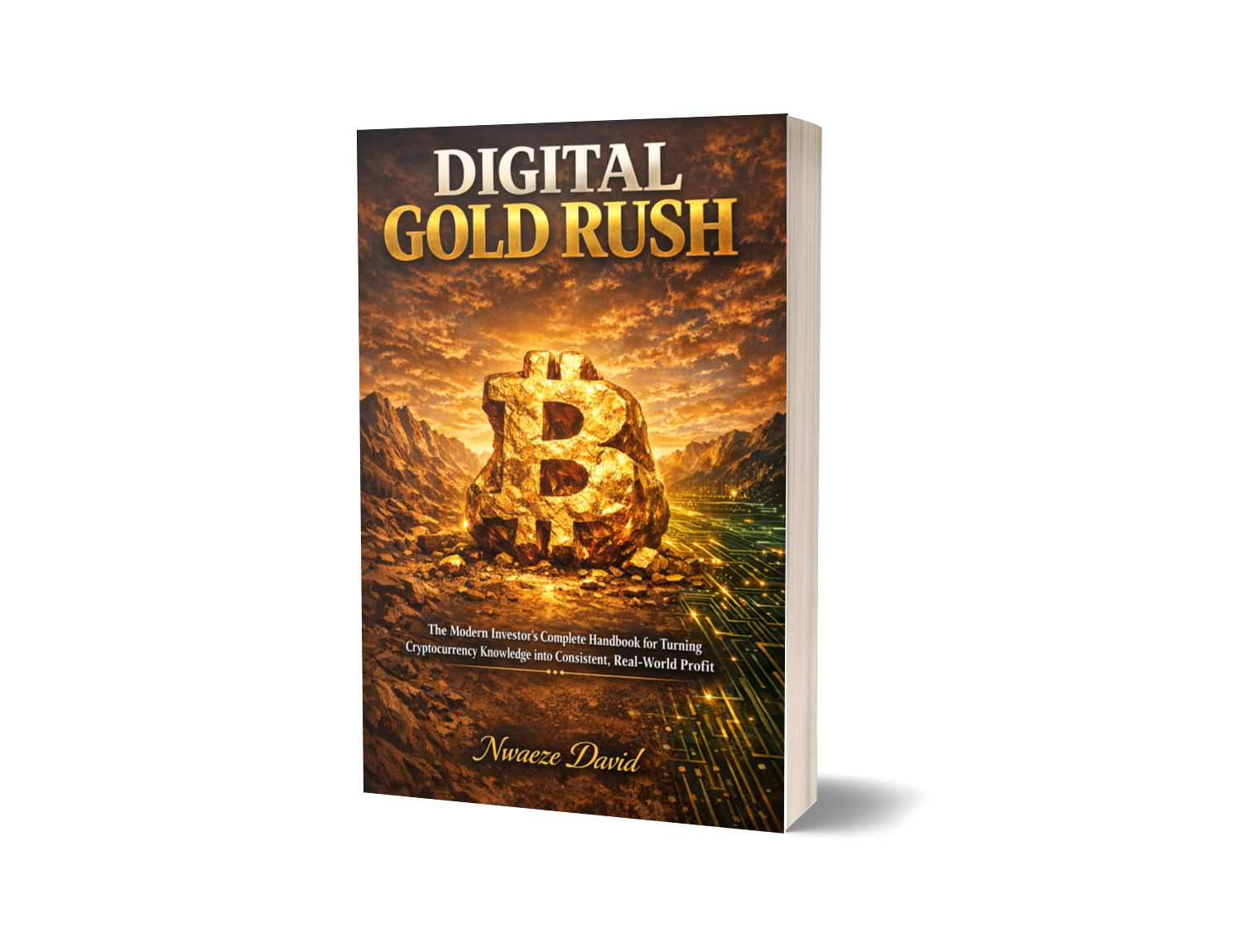
Prefer to learn from a book, at your own pace? The Crypto Book Series covers this in more depth. If you’re new to crypto, start with Book 1, then work through the series as you go.

Weighing a specific exchange and want a second opinion? Join DavitoFinance Pro on Telegram, free, and ask people who’ve actually vetted these platforms.